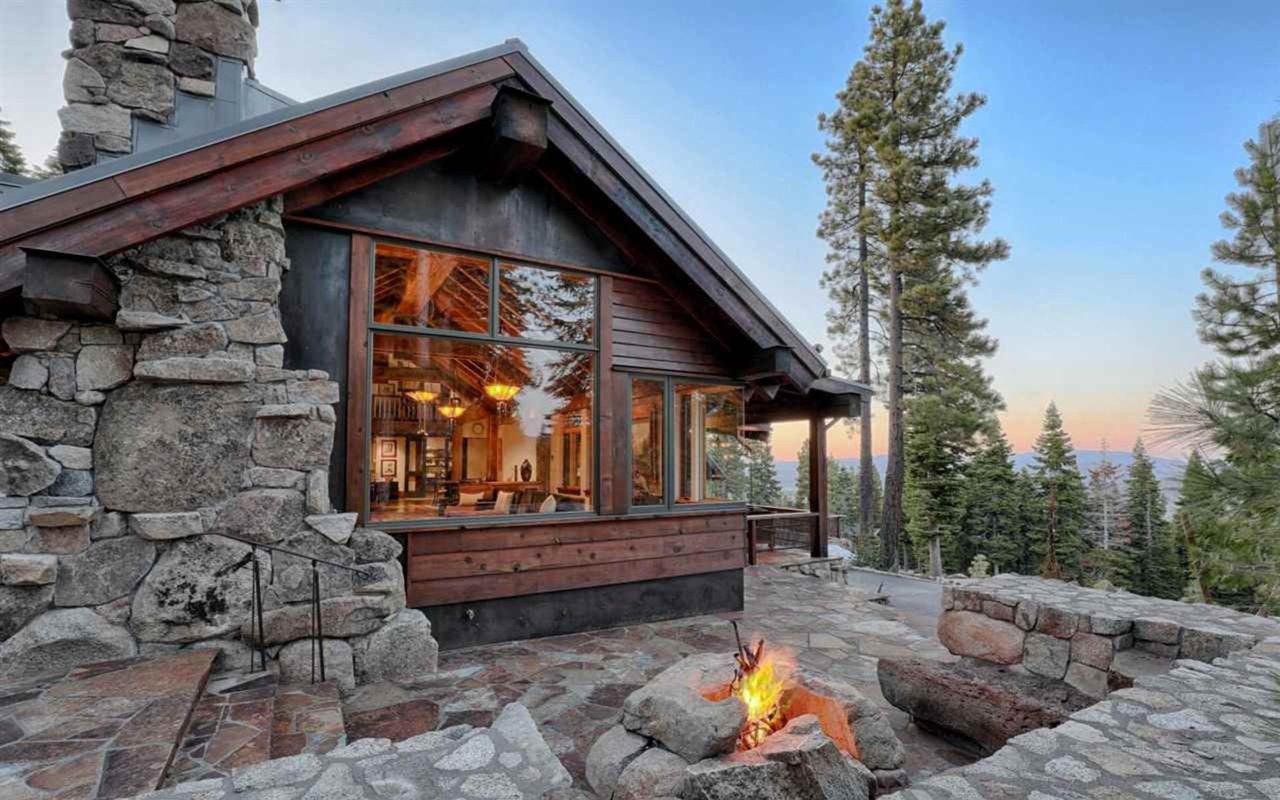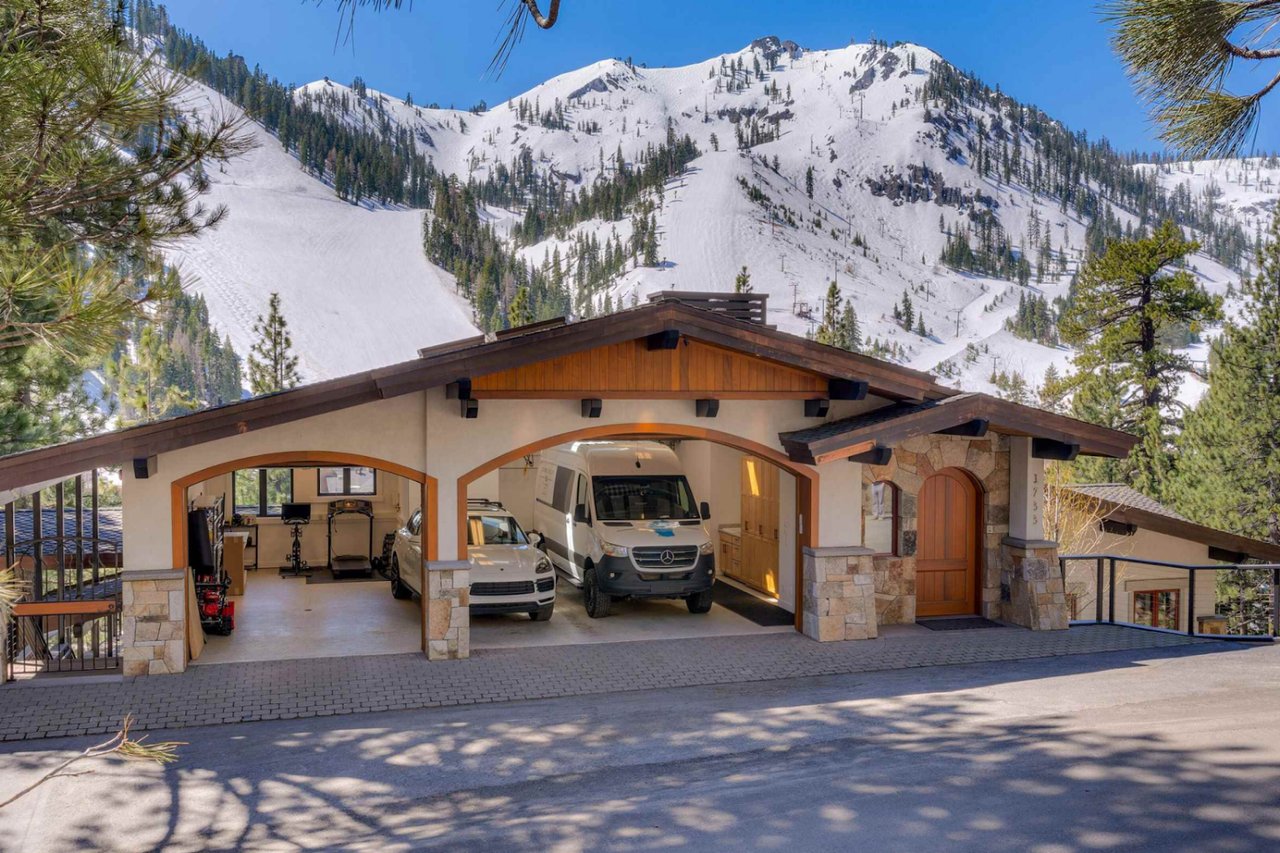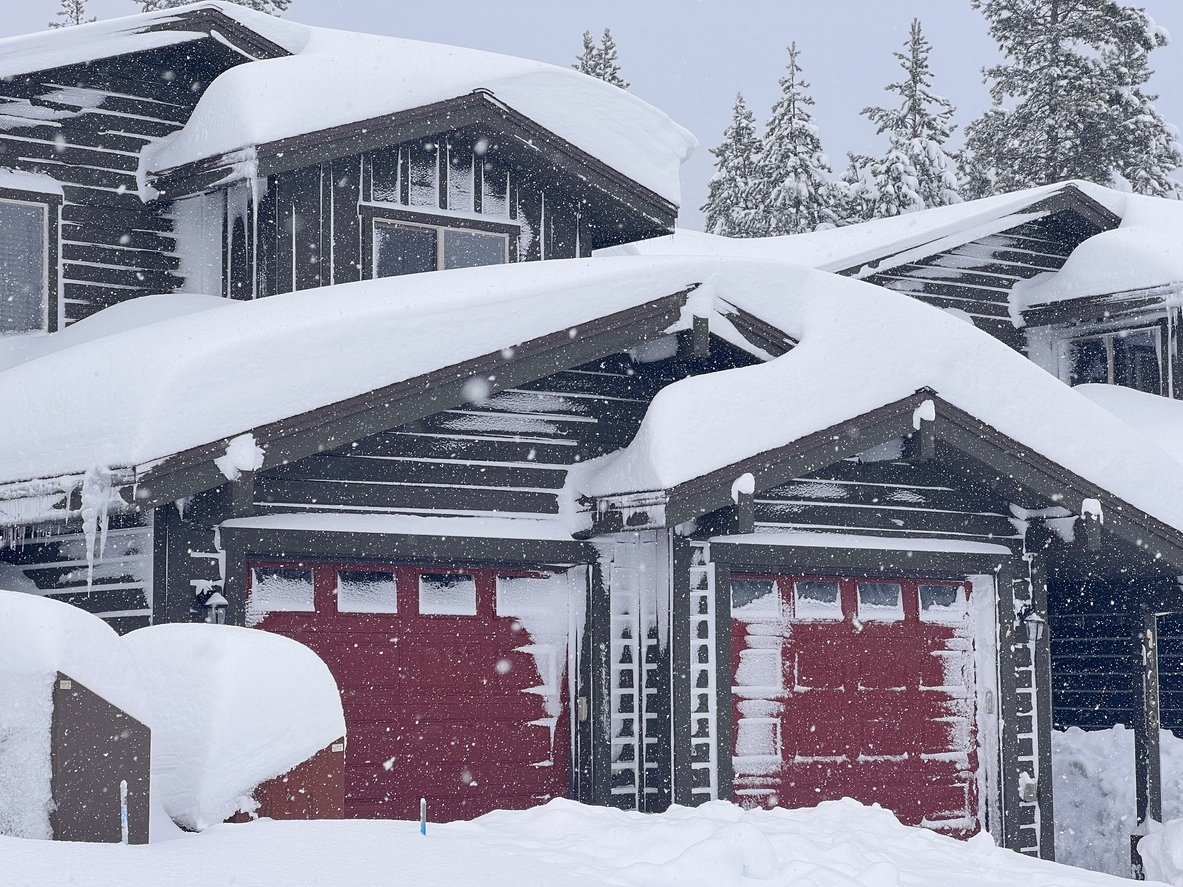
Buying a home in Truckee means buying into a different relationship with winter.
Snow is part of the lifestyle, but it is also something homeowners need to plan for. A driveway can be clear in the morning and buried again by afternoon. Snowplows can leave a berm across your driveway. Roads can require chains with little notice. And a home that sits empty for a few weeks needs to be prepared differently than a primary residence.
For new Truckee homeowners, a little preparation before the first major storm can prevent a lot of unnecessary headaches.
Here are nine recommendations of what to take care of before winter arrives.
1. START WITH THE HOUSE
Winterizing a Truckee property is about more than turning up the heat. Before the first major storm, walk through the home and make sure the basics are ready.
Check the Heating System
Have the furnace, boiler or other primary heating system inspected and serviced if needed.
If the home has multiple heating systems, make sure you understand how each one works before you need it. This is particularly important for second homes that may sit vacant between visits.
Also confirm:
- Thermostats are working
- Filters are clean
- Vents are unobstructed
- Fireplaces and wood stoves are properly maintained
- Carbon monoxide and smoke detectors are functioning
Protect Against Frozen Pipes
Freezing temperatures can create some of the most expensive winter problems a homeowner can face.
Know where your main water shutoff is located. If you will be away from the property for an extended period, ask your property manager or plumber about the appropriate winterization procedure for the home.
Truckee's building code specifically addresses freeze protection for water supply piping, including requirements designed to protect plumbing from freezing.
The right approach can vary depending on the home's plumbing system, so this is one area where it is better to understand your specific property rather than rely on a generic checklist.
Check the Roof and Gutters
Before snow arrives, look for:
- Damaged or missing shingles
- Blocked gutters
- Damaged flashing
- Excessive debris
- Areas where water may collect
You should also know whether the home has any areas where snow tends to accumulate.
A property manager or qualified contractor can help identify problem areas before they become a winter repair.
2. HAVE A SNOW REMOVAL PLAN BEFORE IT SNOWS
This is one of the biggest adjustments for new Truckee homeowners. You do not want to wait until the first storm to figure out who is clearing your driveway.
Depending on the property, snow removal may be handled by:
- A private contractor
- The HOA
- A property management company
- The homeowner
And these responsibilities can vary even within the same community.
Ask before closing:
- Who clears the driveway?
- Who clears walkways and steps?
- Who handles the snow berm at the end of the driveway?
- What happens after a major storm?
The Town of Truckee clears public roads, but homeowners should not assume that means their driveway will also be cleared.
The Town specifically notes that plowing can create snow berms across driveway approaches and that the Town does not remove those driveway berms. Property owners should determine whether they or a private contractor are responsible.
That distinction becomes very important after a large storm.
3. UNDERSTAND TRUCKEE'S WINTER PARKING RULES
Truckee has an annual winter parking ban from November 1 through April 30.
During that period, parking in Town roads and rights-of-way is prohibited, and vehicles can be ticketed or towed. The rule exists to give snow-removal crews unobstructed access.
For homeowners, that means you should know where your vehicles will go during a storm. Do not assume the street is an acceptable overflow parking area just because there is room. Snow berms can also narrow roadways, and the Town prohibits parking or standing in a roadway in a way that restricts vehicle travel.
If you are buying a home with limited garage or driveway parking, this is something worth considering before closing—not after the first storm.
4. GET THE RIGHT VEHICLE—AND KNOW YOUR TIRES
You do not necessarily need a giant truck to live comfortably in Truckee. But you do need a vehicle and tire setup that makes sense for mountain winter conditions. All-wheel drive or four-wheel drive can be useful, but it does not eliminate the need to understand traction requirements.
Caltrans states that chain controls can be established quickly as weather and road conditions change. Under R-2 conditions, for example, four-wheel-drive vehicles equipped with snow-tread tires on all four wheels can be exempt from installing chains, but they must still carry traction devices. Under R-3 conditions, chains or traction devices are required for all vehicles.
The takeaway is simple: Own the right tires and carry chains. Do not wait until you are sitting at a chain-control checkpoint to figure out whether your chains fit.
5. PRACTICE PUTTING ON YOUR CHAINS
This is one of those Tahoe skills that is much easier to learn in your driveway than on the side of I-80 in a snowstorm.
Before winter:
- Buy the correct chains or approved traction devices for your vehicle.
- Confirm they fit your specific tire size.
- Practice installing them.
- Keep them accessible in the vehicle.
- Check them periodically for damage.
Caltrans recommends checking the manufacturer's specifications for appropriate traction devices and requires drivers to stop and install chains when highway signs indicate they are required. Drivers should pull completely off the roadway before installing them.
Also, remember that chain requirements can apply even when you are driving an AWD or 4WD vehicle. And if you are towing a trailer, additional chain requirements apply.
6. BUILD A REAL SNOW MANAGEMENT PLAN
Snow removal is not simply about getting the driveway clear. You also need somewhere for the snow to go.
Before winter, identify:
- Driveway snow-storage areas
- Walkway access
- Trash-can locations
- Snowblower storage
- Areas where snow could block drainage
- Places where plowed snow could damage landscaping
Truckee's development guidance specifically addresses snow storage and states that snow storage areas should not block visibility or be placed across public sidewalks.
And there is an important rule for homeowners: Do not push your driveway snow into the public road or right-of-way. The Town uses public rights-of-way for snow storage from its own road-clearing operations. Individual property owners are not generally permitted to use those areas for their own snow storage.
7. THINK ABOUT THE HOME WHEN YOU'RE NOT THERE
This is especially important for Truckee's second-home owners. If you live in the Bay Area and visit Truckee on weekends, your winter plan needs to account for the days when nobody is at the house.
Ask yourself:
- Who will notice if the heat stops working?
- Who will respond to a frozen pipe?
- Who checks the property after a major storm?
- Who clears the driveway?
- Who checks for roof or gutter problems?
- Who brings trash containers in and out?
- Who will respond if the power goes out?
A reliable local property manager can be valuable for exactly these situations. The goal is not to prevent every winter problem. That is unrealistic. The goal is to make sure someone knows about the problem quickly when you are not there.
8. DON'T FORGET THE SMALL THINGS
Some of the most useful winter equipment is also the least glamorous.
Keep these items available:
- Ice scraper
- Snow shovel
- Snow brush
- Flashlights
- Extra batteries
- Sand or traction material
- Gloves
- Winter boots
- Backup phone charger
- Emergency supplies for the vehicle
Caltrans also recommends carrying an emergency kit with items such as blankets, extra clothing, water, snacks, a flashlight, gloves, an ice scraper and a shovel. You may not use most of it and that is exactly the point.
9. KNOW WHO HANDLES WHAT BEFORE YOU CLOSE
This may be the most useful piece of advice for a new Truckee homeowner. During the purchase process, ask your agent to help you understand the winter responsibilities associated with the property.
Specifically:
- What snow removal does the HOA provide, if any?
- Is private snow removal required for driveways?
- Who clears the walkways/paths to the home?
- Is the road public or private?
- Where should trash containers be placed during storms?
- Is snow removal for the roof ever required?
- For second homes, who monitors the property when you are away?
These details can vary considerably between communities and individual properties.
A home in a private community may have a very different winter-maintenance arrangement than a home on a private road outside an HOA.
Your first Truckee winter will probably teach you a few things that no inspection report can. The best way to make it easier is to prepare before the snow arrives.
Get the house ready. Know your heating and plumbing systems. Have a snow-removal plan. Understand the winter parking rules. Buy the right tires. Keep chains in the vehicle and practice using them. And, if this is a second home, make sure someone local can keep an eye on the property when you are away.
Winter is part of what makes living in Truckee special. It is also part of the responsibility that comes with owning here. The good news is that once you understand how the system works, winter becomes much more manageable and enjoyable.